Every fundraising list says its ideas are easy. Then idea #3 needs a permit, a committee, and a truck. This list uses a stricter definition: one volunteer can launch it in under a week, and it can't fail in a way that costs the club money. That rules out galas, tournaments, and anything with inventory risk. Those can out-earn everything here, and they're covered in our full guide to sports fundraising ideas. This is the list for the seasons when the honest answer to "who's running fundraising?" is "whoever has twenty minutes."
Ranked by setup time, shortest first.
Launchable this evening
1. The digital 50/50. Online raffle platforms run the classic 50/50 without the ticket rolls: supporters buy in from their phones all week, winner drawn at the game. Revenue: $100–$500 per draw at small-club scale. Setup: under an hour on any of the licensed raffle platforms. The catch nobody mentions: raffle law is local. Most platforms handle compliance by region, but check yours before the first draw, not after.
2. Round-up and micro-donation links. A donation link with preset amounts ($5/$10/$25) pinned everywhere your supporters already are: the group chat, the club's social bio, the bottom of every email. Revenue: slow but real — $50–$200 a month for a modest supporter base, indefinitely. Setup: twenty minutes. The mistake: creating the link and never mentioning it again. The clubs that earn from it re-share it monthly with one line about what it bought ("March's donations paid the referee fees").
3. The buy-out letter. One honest email to every family: "We could run four fundraisers this season, or you can buy us out for $60 and we'll cancel them all." Revenue: surprisingly consistent; many families pay gratefully. Setup: the time it takes to write one email. The catch: it only works as a genuine trade. If the fundraisers happen anyway, nobody pays next season.
Launchable this week
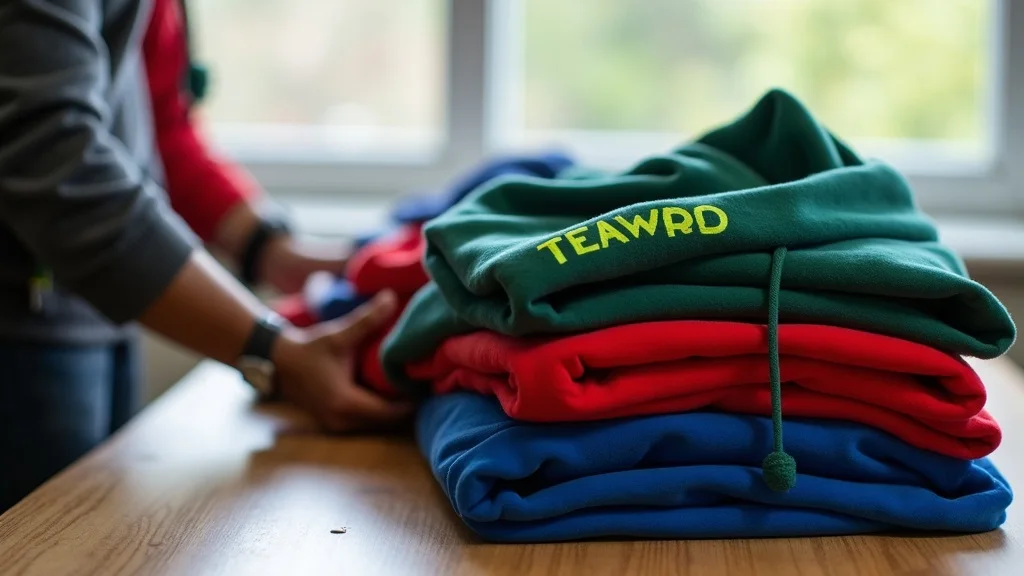
4. Preorder-window merchandise. Print-on-demand team gear sold in a two-week window, shipped direct to buyers. No inventory, no unsold larges in anyone's garage. Revenue: $300–$1,200 per season. Setup: an evening to build the store, if you keep it to three items and two colors. The mistake: leaving the store open year-round. The deadline is the marketing.
5. The pledge-per-something drive. Supporters pledge per goal, per lap, per save. The season generates the results, and the kids do the fundraising by playing. Revenue: $800–$4,000 depending on supporter count. Setup: a shared spreadsheet and one announcement, or an afternoon on a pledge platform. The mistake: a too-rare pledge unit. Per-goal on a defensive team raises nothing; per-lap at one training session lets everyone contribute.
6. Restaurant fundraiser nights. A chain or local restaurant gives the club 15–25% of one evening's mentioned sales. Revenue: $200–$800 per night. Setup: one booking form, then reminders. The booking is easy; the real work is the three reminders that get families to actually show up.
7. Skip-the-fundraiser sponsor slots. Instead of a full sponsorship program, sell exactly three things to exactly three businesses: the team page banner, the warm-up shirt back, the post-game email footer. Revenue: $150–$500 each. Setup: three emails to three owners your families already know. The mistake: building tiered packages for a club that needs three yeses, not a media kit. (When you're ready for the bigger version with real audience numbers, that's a different conversation. We wrote up how to get sponsors for a sports club for exactly that moment.)
Launchable this month, then they run themselves
8. A supporter subscription. A small monthly membership: $5/month gets a supporter's name on the club page and a members-only email. Revenue: compounding; 40 supporters is $2,400 a year that doesn't reset in August. Setup: any recurring-payment tool plus one signup page. The mistake: overpromising perks. The product is belonging, not benefits; clubs that promise monthly rewards burn out delivering them.
9. Matchday content sponsorship. If your club posts lineups, scores, or highlights anywhere, that recurring attention is sponsorable: "Matchday updates brought to you by [business]." Revenue: $50–$200 a month. Setup: one pitch email with your actual follower and engagement numbers. Which raises the real question: do you have your actual numbers? Guessing is the thing that kills this pitch.
10. Venue partnerships. If your supporters watch games or gather somewhere — a pub, a pizza place, a sports bar — that habit can pay the club instead of just the venue. Venue partnerships formalize it: the venue hosts your watch parties and match-day promotions, and every fan check-in or claimed offer there earns the club a small transaction fee. Setup effort on the club side is genuinely low. The venue brings the space and the incentive; your supporters bring the habit they already have. It's the rare fundraiser that runs every matchday without a volunteer attached.
11. The engagement baseline. Not a fundraiser — the thing that makes ideas #7, #9, and #10 pitchable. A fan engagement platform tracks check-ins, campaign participation, and supporter counts automatically, so when a sponsor or venue asks "how many people are we actually reaching?", you pull a report instead of inventing a number. Game Set Engage does this end of it: 500+ campaign scenarios, free for clubs with up to 1,000 fans, and setup takes about 15 minutes, which is the entire point of this list.
The three-volunteer season plan
If the whole committee is three people, run exactly this:
- Tonight: the donation link (#2) and the buy-out letter (#3).
- This month: one restaurant night (#6) and the three sponsor slots (#7).
- Underneath: one recurring line — your own supporter-membership scheme or a venue partnership — so next August doesn't start at zero.
Total volunteer load: a few evenings, spread across three people. Total revenue: comfortably four figures for most small clubs. The gala can wait for the year you have a committee; this is the season plan for the years you don't.