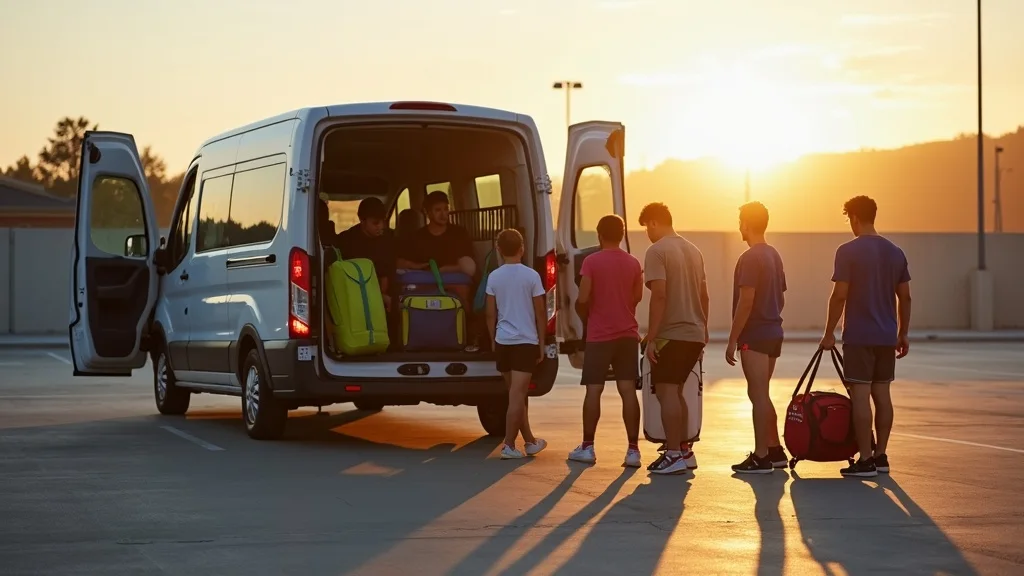
Youth sports fundraising has a constraint adult club fundraising doesn't: every organizer is somebody's parent, and every fundraiser competes with the same twenty families' evenings. The question isn't "what raises money." Almost anything raises some money. The question is what raises the most per volunteer hour, because volunteer hours are the thing your program actually runs out of.
This list is ranked with that in mind. Twelve ideas, each with a realistic revenue range for a youth program, an honest read on how many parent-evenings it consumes, and the mistake that quietly kills it. If you run a bigger club or want the full picture across every fundraiser type, start with our complete guide to sports fundraising ideas. This piece goes deeper on the youth-specific ones.
The high-return, low-burnout tier
1. Restaurant fundraiser nights. A local restaurant gives your program a percentage of sales (usually 15–25%) from everyone who mentions your team on a set night. Revenue: $200–$800 per night. Parent-evenings consumed: one, for the person who books it. The mistake that kills it: treating the booking as the work. The booking is 10% of the work; the other 90% is getting families to actually show up, which means three reminders, not one flyer.
2. The pledge-per-achievement drive. Instead of flat donations, supporters pledge per something the kids do: per goal, per lap, per free throw made at a designated event. Revenue: $1,500–$5,000 for a well-run drive. Parent-evenings: two or three, mostly collecting pledges. Why it beats a flat ask: a grandparent who'd give $20 once will happily pledge $2 per lap and end up giving $46, and the kids do the fundraising by playing. The mistake: making the achievement unit too rare. Pledge per goal and a defensive team raises nothing. Pledge per lap and everyone contributes.
3. Sponsor a player boards. Local businesses sponsor individual roster spots: their name next to a player's on the team page, the banner, the program. Revenue: $100–$300 per player spot, and a 15-player roster fills faster than one $3,000 jersey sponsorship sells. Parent-evenings: two, both for the one parent who owns the asks. The mistake: pricing it like advertising. It isn't advertising — it's patronage. The dry cleaner isn't buying impressions; they're buying "we support the kids in this neighborhood." Price it low enough that saying yes is easy and volume does the work.
4. Skills-a-thon with a clinic attached. Older players or coaches run a paid skills morning for younger kids; parents pay a clinic fee, and pledges ride on the skills totals. Revenue: $500–$2,000. Parent-evenings: three or four (this is a real event). The mistake: not collecting contact details at signup. The families who come to a Saturday clinic are your warmest future-registration list, and most programs let them walk out the door anonymous.
The reliable middle tier
5. Concession takeovers. Your program staffs another organization's concession stand (a local tournament, a fair, a bigger club's event) for a share of sales or a flat fee. Revenue: $300–$1,200 per event. Parent-evenings: high per event, but zero planning, zero inventory risk, zero permits. Somebody else built the event; you just bring hands. The mistake: sending whoever volunteers first. Send your fastest people; concession revenue is a line-speed problem.
6. Team merchandise with a preorder window. Hoodies, beanies, car decals, sold in a two-week preorder window, not held as inventory. Revenue: $400–$1,500 per season at youth scale. Parent-evenings: one or two. The preorder window is the whole trick: you never buy a box of unsold larges, and the deadline creates urgency a year-round store never does. The mistake: too many options. Three items, two colors. Every additional choice cuts conversion.
7. 50/50 raffles at games. Fans buy tickets, winner takes half the pot. Revenue at youth attendance levels: $50–$300 per game, smaller than at adult club scale, but it repeats every home game. Parent-evenings: zero beyond the game people already attend. The mistake: $1 tickets. Sell $5 tickets or a $10 arm's-length of tickets; the parents in the stands aren't price-sensitive about supporting their own kids, and revenue tracks ticket price more than volume. (Check your state and local raffle rules first — many places require a simple permit.)
8. Holiday gift-wrapping or tree-lot shifts. Seasonal labor partnerships: a retailer or tree lot hosts, your families staff it, tips and a fee go to the program. Revenue: $500–$2,000 for the season. Parent-evenings: many, but they're festive ones with kids involved, which makes them the easiest volunteer shifts of the year to fill. The mistake: skipping the tip jar signage. "Tips support [Team Name] U-12s" doubles the take.
The big swings — one per season, maximum
9. A community fun run or color run. Entry fees, sponsor booths, concession sales. Revenue: $2,000–$8,000 done well. Parent-evenings: a lot; this is an event business for six weeks. The mistake: measuring success by race day. Half the revenue is in the six weeks of registration before it; if signups are quiet three weeks out, race day won't save you.
10. A silent auction night. Donated items and experiences, auctioned at a family banquet. Revenue: $1,500–$6,000 at youth scale. This is a real-money auction your program runs and settles itself: cash bids, cash payouts. Parent-evenings: many, mostly procurement. The mistake: fifteen mediocre baskets. Three genuinely wanted items — a coach-for-a-day experience, a signed piece from the nearest pro club, a week of summer camp — outraise a table of regifted candles every time.
11. The "buy out the bake sale" letter. One honest letter to every family: "We could run four fundraisers this season, or you can buy us out for $75 and we'll cancel them all." Revenue: shockingly consistent; many families pay it gratefully. Parent-evenings: zero. The mistake: offering it alongside the fundraisers. It only works as a genuine trade. If the bake sales happen anyway, nobody buys out next year.
The one that isn't a fundraiser
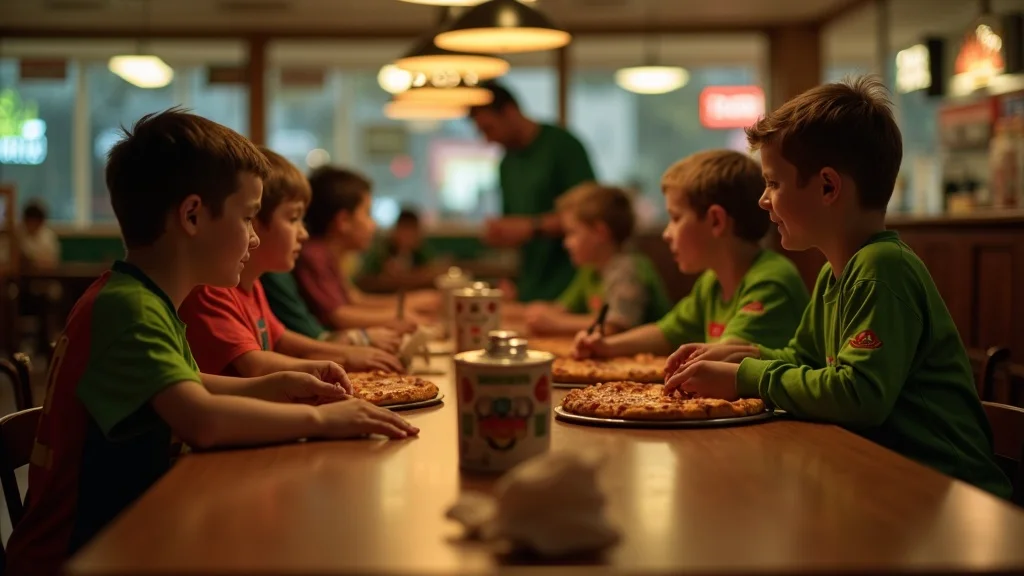
12. A standing venue partnership. If your program's families gather somewhere after games (a pizza place, a family restaurant, a sports bar for the adults), that habit can become a revenue line instead of a coincidence. This is what venue partnerships formalize: the venue partners with your club, hosts your post-game crowds and watch parties, and owes the club a small transaction fee every time a fan checks in or claims an offer there. It's not a one-off event somebody's parent has to organize; it runs every week on traffic that already exists.
The reason to care at youth scale is the same reason the buy-out letter works: the scarce resource is volunteer time. A fan engagement platform that tracks check-ins and campaign participation gives a youth program the two things it never has when it needs them: a recurring revenue line no committee re-plans every season, and real audience numbers for the day a sponsor asks "how many families are we actually reaching?" Game Set Engage is free for clubs with up to 1,000 fans, and setup takes about 15 minutes, deliberately inside what one parent can do while dinner cooks.
Sequencing a youth season
Don't run all twelve. A youth program that runs three fundraisers well (one per tier) beats one that runs eight badly and burns out its parents by November:
- Every home game: the 50/50 raffle, because it's free money on existing attendance.
- Once a season: one big swing — the fun run or the auction night, never both.
- Underneath everything: one recurring line (venue partnership, sponsor-a-player board renewals) that doesn't reset to zero in August.
And if a sponsor conversation is on your horizon, read our guide on how to get sponsors for a sports club before you walk in. The pitch that works has changed, and the programs winning it are the ones showing engagement numbers, not banner photos.