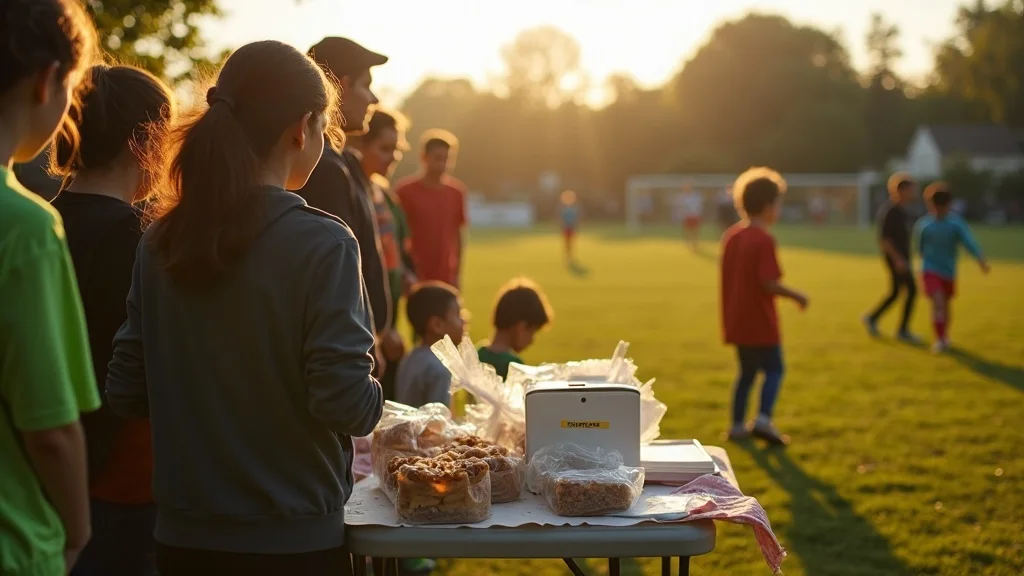
Travel team fundraising is a different sport from regular club fundraising, for one reason: the costs are per-family and they're brutal. A travel baseball season runs $2,000–$5,000 per player once you count tournament entries, hotels, gas, and gear. Hockey, more. So the fundraising question isn't "how does the team raise money." It's "how does the Ramirez family knock $1,800 off their bill without asking their relatives for cash three times a year."
That means the best travel team fundraisers share two traits: they let families earn against their own balance (not just a shared pot), and they work on the road, because your community isn't just your town anymore; it's every hotel lobby and tournament complex you pass through. Here are ten that fit, ranked by what they return for the effort. For the full menu across every club type, see our complete guide to sports fundraising ideas.
Per-family earning: the travel team backbone
1. Individual fundraising accounts. The single biggest structural decision a travel program makes: let each family's fundraising effort credit their own player balance, with a percentage (say 20%) going to the team pot. Revenue: it doesn't raise money by itself. It makes every other idea on this list work twice as hard, because a parent selling discount cards against their own $3,000 bill sells very differently than one selling for "the team." The mistake: skipping the team-pot percentage. Without it, families who can afford to skip fundraising do, and the shared costs (coach travel, team gear) go unfunded. (One caution: if your program runs under a 501(c)(3), have someone check the IRS's private-benefit rules on individual accounts — most programs handle this with the team-pot split and by keeping credits need-blind.)
2. Discount card sales. Local business discount cards: 10 offers, $20 a card, roughly half to the program. Revenue: $2,000–$6,000 per team when tied to individual accounts. Effort: high up front for the one organizer who signs the businesses; low for everyone else. The mistake: printing before selling. Get soft commitments from families for card counts first; a garage box of unsold cards is the most common travel-team fundraising ending there is.
3. The mileage pledge drive. Supporters pledge per mile the team travels this season — and travel teams travel absurd miles, which is the whole point. Revenue: $1,000–$4,000. Effort: low; the schedule does the storytelling. A 2,400-mile season at 25 supporters averaging 5 cents a mile is $3,000. The mistake: asking once. Send a mid-season update ("847 miles so far, here's the photo from Des Moines"). Pledges collected against a story outperform pledges collected against an invoice.
On-the-road revenue
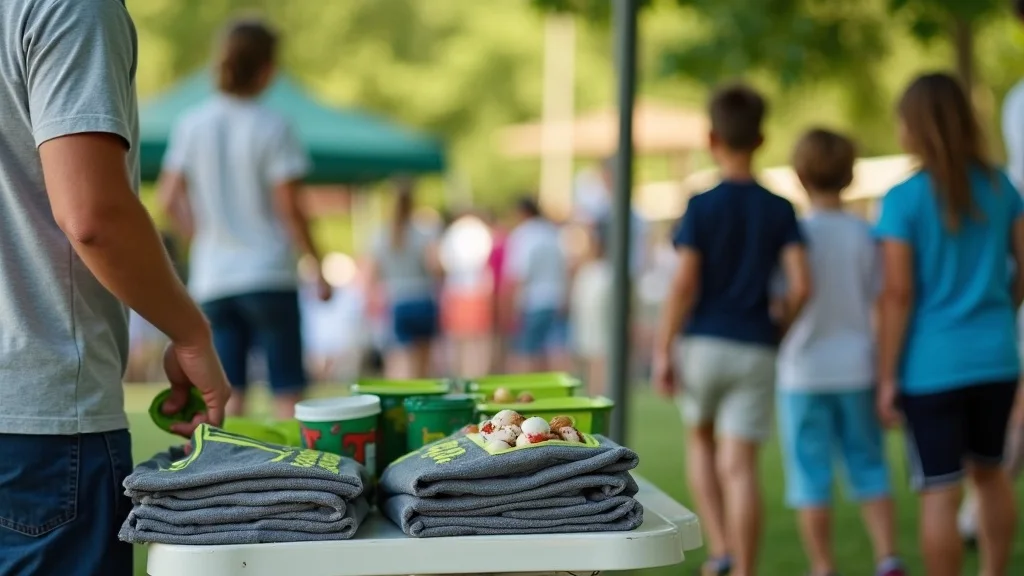
4. Tournament merchandise flips. Your team's booster table at tournaments you host or co-host: shirts, snacks, phone chargers, rain ponchos when the forecast turns. Revenue: $300–$1,500 per hosted event. Effort: medium. The mistake: only selling team-branded gear. At a 40-team tournament, generic "Baseball Weekend" shirts and $10 chargers outsell your logo 5-to-1 — the other 39 teams' parents are your market.
5. Hosted tournament concessions. If your program hosts even one tournament a year, the concession stand is the margin engine, often out-earning entry fees. Revenue: $1,500–$6,000 per weekend. Effort: high, all in shift-staffing. The mistake: pricing like a grocery store. Tournament families are captive for eight hours; a $6 walking taco is normal. Underpricing concessions is donating margin to nobody.
6. Restaurant nights on the road. The chain-restaurant fundraiser night works away from home too: book one near the tournament venue for the whole event's teams and split with the program. Revenue: $200–$600 per event night. Effort: one organizer, two emails. The mistake: not telling the other teams. The flyer that goes only to your own families captures a tenth of a 40-team crowd.
Home-front anchors
7. A calendar-year sponsor board. Travel teams have a sponsorship asset regular clubs don't: a season that never ends and a geographic footprint that spans states. Businesses sponsor the year: name on the trailer, the tent, the warm-up shirts that appear in every tournament photo across four states. Revenue: $250–$1,000 per sponsor, 6–12 sponsors. Effort: front-loaded selling. The mistake: pitching it as local advertising. The pitch is the footprint: "our tent is up at 14 tournaments in 5 cities this year" is reach a local banner can't touch. When you're ready to make that pitch properly (with real numbers instead of estimates), our guide on how to get sponsors for a sports club covers the meeting itself.
8. The parents' night out gala — every other year. A dinner-and-auction night raises real money ($3,000–$10,000) but consumes a committee for two months. At travel-team scale, the honest move is running it biennially: alternate the big swing with a lighter year so the same six families don't carry it annually. The auction is a real-money event your program runs and settles itself. The mistake: annual scheduling by default. Fatigue compounds; the second consecutive year raises 30% less with the same effort almost every time.
The recurring layer
9. Home-venue partnerships. Travel families have a watering-hole habit: the same pizza place after Sunday practice, the same sports bar where the parents decompress. Venue partnerships turn that habit into a standing revenue line: the venue hosts your crowds, and each check-in or claimed offer there puts a small transaction fee on the venue's tab with the program. No committee, no event, no reset in August. It won't cover a $3,000 player bill by itself; it's the layer underneath the big swings that keeps earning between them.
10. The engagement ledger — for the sponsor renewal. Here's the travel-team-specific reason to track engagement at all: your sponsors can't see your season. It happens in other cities. The tent photo from Des Moines is nice; "412 check-ins across 14 tournament weekends, here's the month-by-month chart" renews the sponsorship. A fan engagement platform collects that proof automatically as families check in and join campaigns through the season. Game Set Engage runs 500+ campaign scenarios, it's free for clubs with up to 1,000 fans, and setup takes about 15 minutes. The data you show at renewal time is the data you started collecting in August.
The travel team season plan
The structure that works, season after season:
- August: individual accounts opened, discount card drive (every family, against their own balance).
- Season-long: mileage pledges running in the background; merch table at every hosted event.
- One big swing: hosted tournament concessions or the biennial gala.
- Underneath: the venue partnership and the engagement ledger, quietly compounding for renewal season.
A travel program that does four things well covers real per-family money. One that does nine things adequately mostly generates group-chat fatigue. Pick, sequence, and let the season's own story — the miles, the photos, the numbers — do the selling.