The numbers from this World Cup will get quoted for years. A record 6,810,966 fans attended matches across the United States, Canada and Mexico, nearly doubling the attendance record that had stood since 1994. The final at MetLife Stadium packed in 80,663 people to watch Spain edge Argentina 1-0 in extra time.
Those are FIFA's numbers to celebrate. But if you run a club, any club, from a National-League side to a Sunday league with one pitch and a clubhouse, the tournament that just ended is the most useful fan-behavior study you'll get this decade. Four lessons stand out, and none of them require a World Cup budget to apply.
1. Nobody is tired of showing up
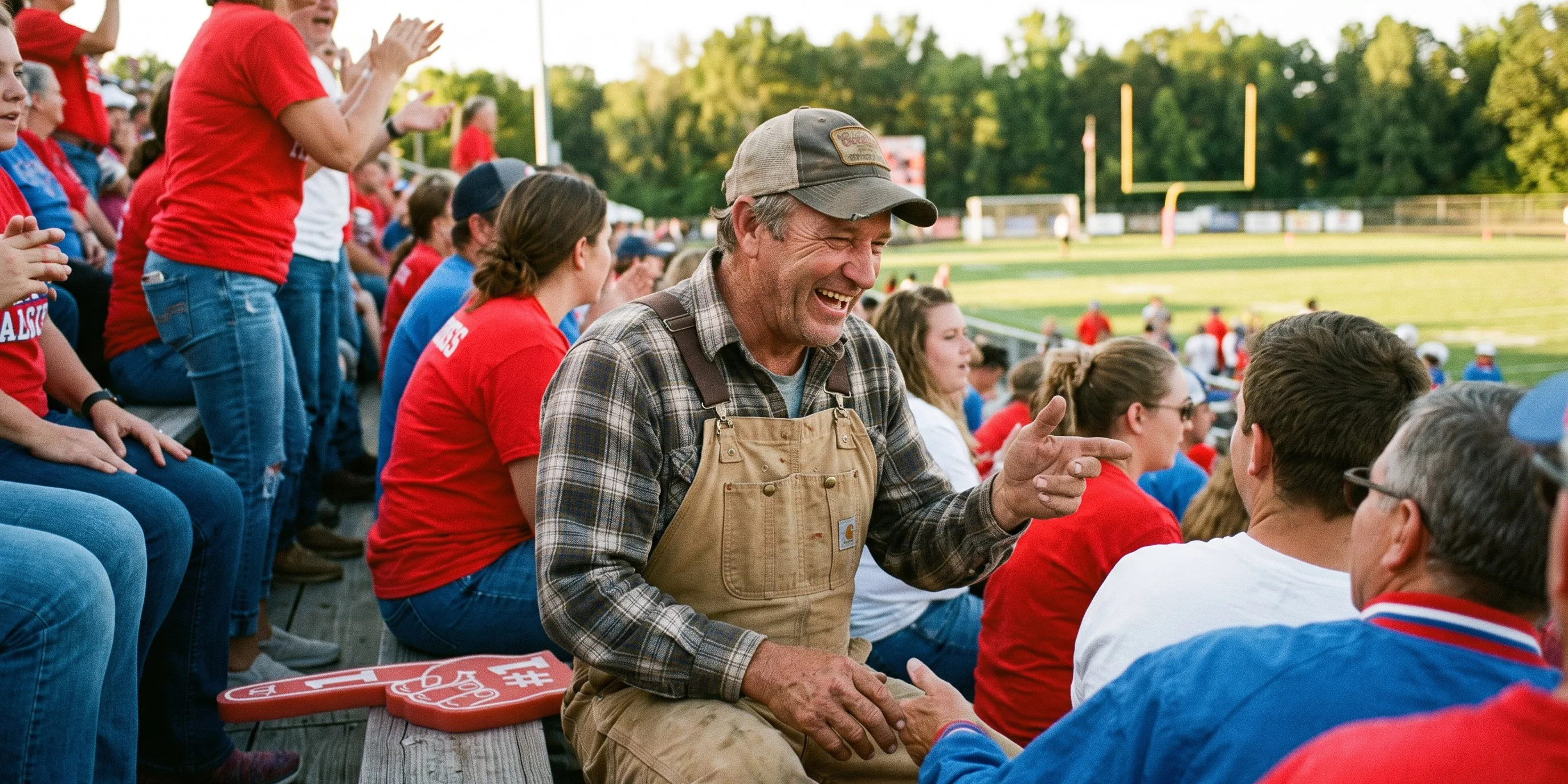
For years the industry story has been that live attendance is under siege from the couch: better TV, better streams, why leave home? Then the most-attended World Cup in history happened, with a record built not on one giant stadium but on millions of individual decisions to be there in person.
The lesson for clubs isn't "attendance takes care of itself." It's that the desire to physically show up is fully intact, and what separates full grounds from empty ones is whether showing up feels like it counts for something. The tournament made presence feel historic. A club can make presence feel recognized, which is cheaper and nearly as powerful: reward the fans who turn up, count their attendance visibly, and let a season of showing up accumulate into status a fan would miss. That's the entire logic behind rewarding matchday check-ins, and the World Cup just ran the world's largest proof that people respond to presence being valued.
2. The real audience was never in the stadium
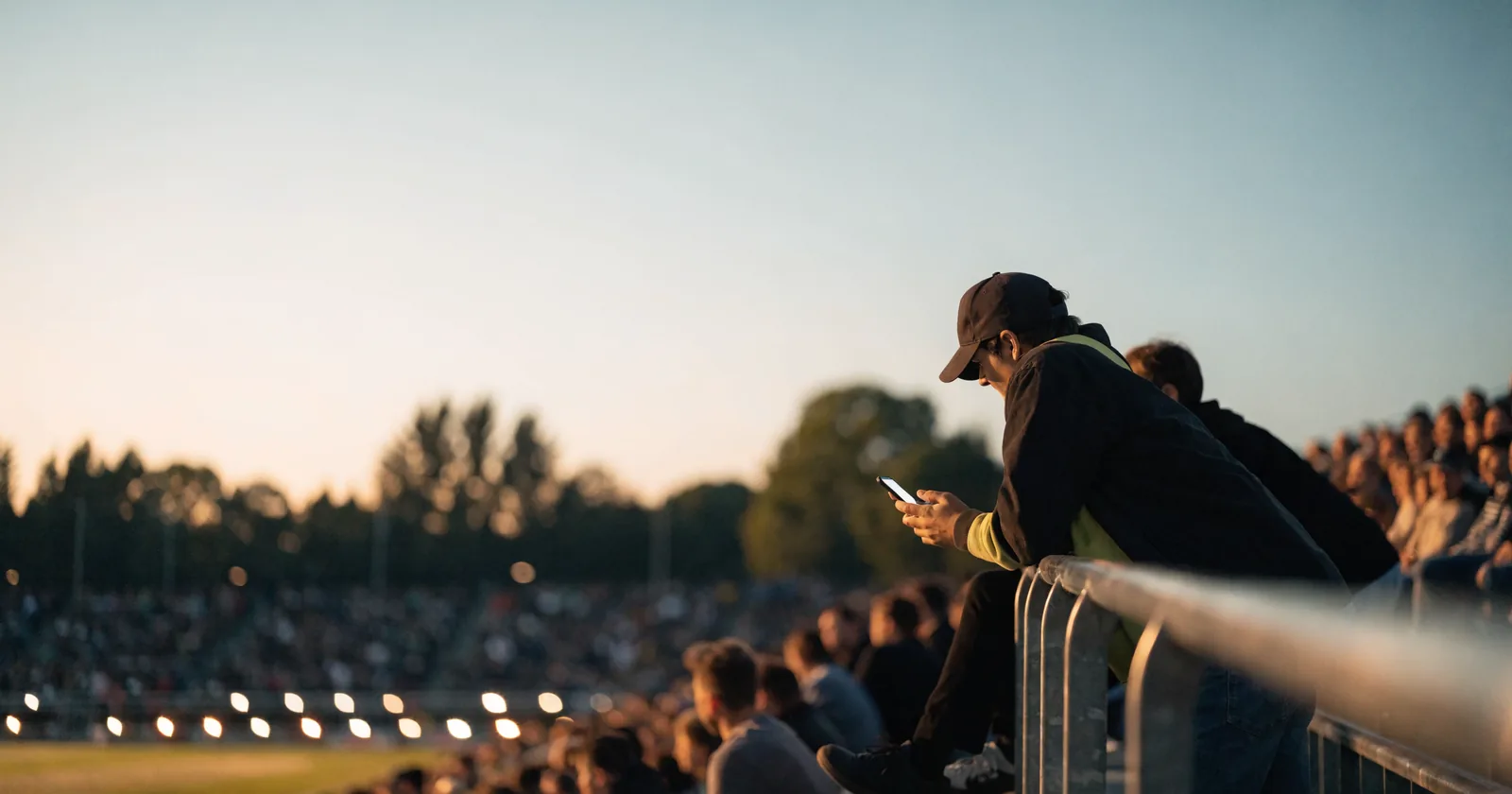
Six point eight million tickets is a record. It's also a rounding error against the global audience that watched from somewhere else: fan fests, pubs, cafés, living rooms, phones held sideways on night shifts. For every fan in a seat there were thousands gathered somewhere the cameras never pointed, and their matchday was just as ritualized — the same bar, the same friends, the same table.
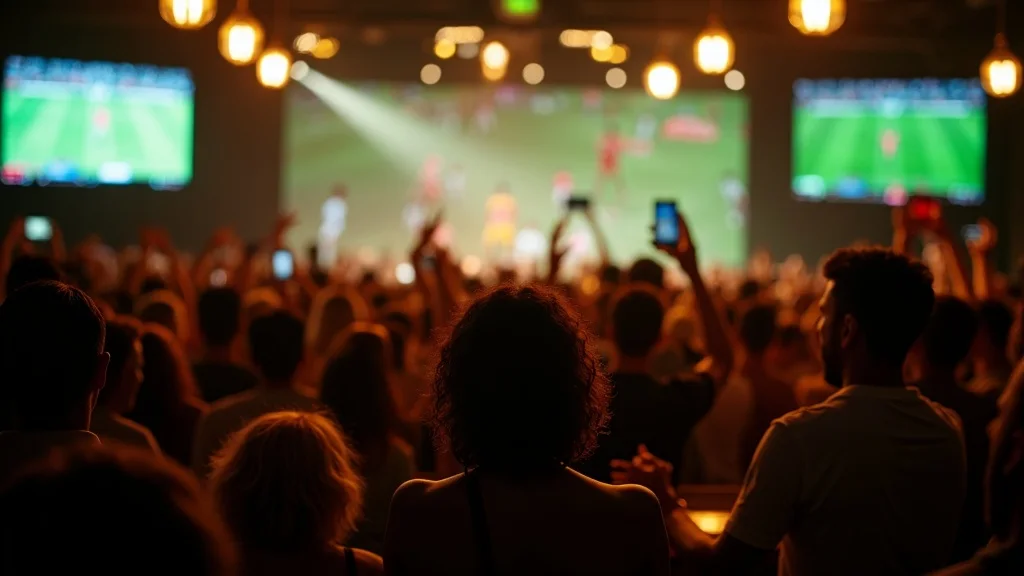
Clubs systematically undercount this crowd because it never passes a turnstile. But a supporter who watches every match at the same pub is not less engaged than a season-ticket holder; they're differently located. The clubs that grow in the next decade are the ones that treat those gathering places as part of the club's footprint: partner with the venues, put a check-in on the table, make watching-from-afar something the club can see and reward. (We wrote a whole guide on that crowd: engaging your diaspora fans.)
3. Tournament habits die in August unless someone catches them
Every World Cup mints new fans and reactivates lapsed ones. People who hadn't watched football in years spent a month predicting scores in group chats and rearranging evenings around kickoffs. That's a habit, formed and rehearsed for thirty days.
Then the tournament ends, and the habit has nowhere to live. This is the quietest lesson of every major tournament: the energy doesn't disappear, it expires, usually within weeks, because no club captures it while it's warm. The clubs that will benefit from this summer are the ones giving that rehearsed behavior a local home right now, in August, not at the season opener: a prediction game for the opening fixtures, a check-in campaign for the first home match, a reason for the person who just spent a month caring about football to care about your football. If your club needs the machinery for that, our rundown of fan engagement strategies starts exactly there.
4. Prediction is the world's favorite fan mechanic
Strip away the scale and the World Cup's most universal engagement product wasn't merchandise or highlights. It was the bracket. Hundreds of millions of people who couldn't name a single group-stage referee still filled out predictions, argued about them, and checked them obsessively. Prediction turns watching into having a stake, and it works identically at every level of the sport.
A club version costs nothing to run: predict the score, predict the first scorer, points for correct calls, a leaderboard you keep across the season. The mechanic scales down perfectly because the psychology never changes — the fan who called it gets to say so, publicly, for a week.
The window is open, briefly
Post-tournament summers are when casual attention is most convertible and most perishable. The 2026 edition, with its record crowds and a final that needed extra time, generated more of that attention than any tournament before it, and a meaningful share of it belongs to fans who live near your ground, not MetLife.
The clubs that catch it will be the ones whose next home fixture gives all that rehearsed fandom something to do: check in, predict, earn, belong. The ones that wait until September will be starting from zero again, the way clubs always have.