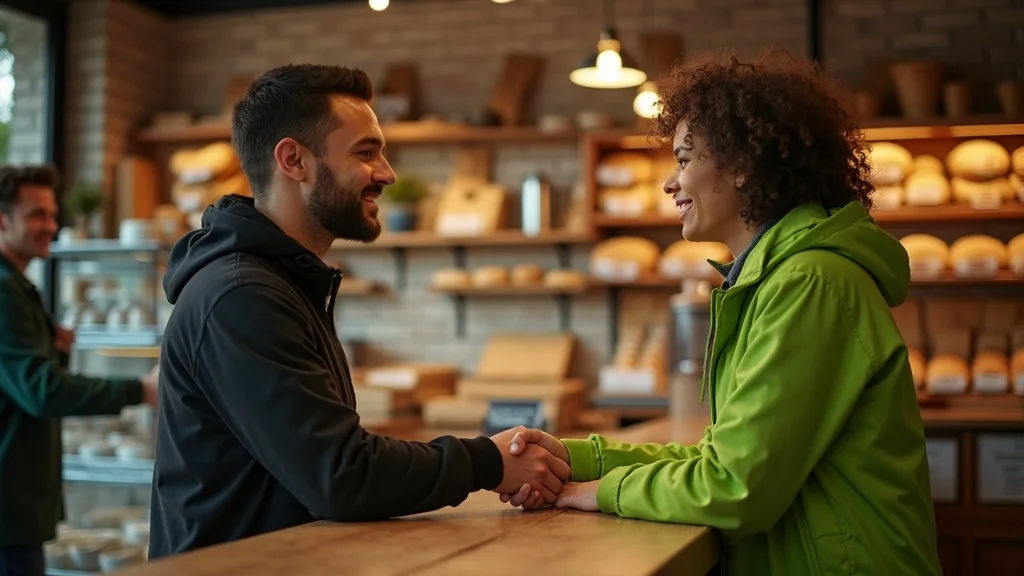
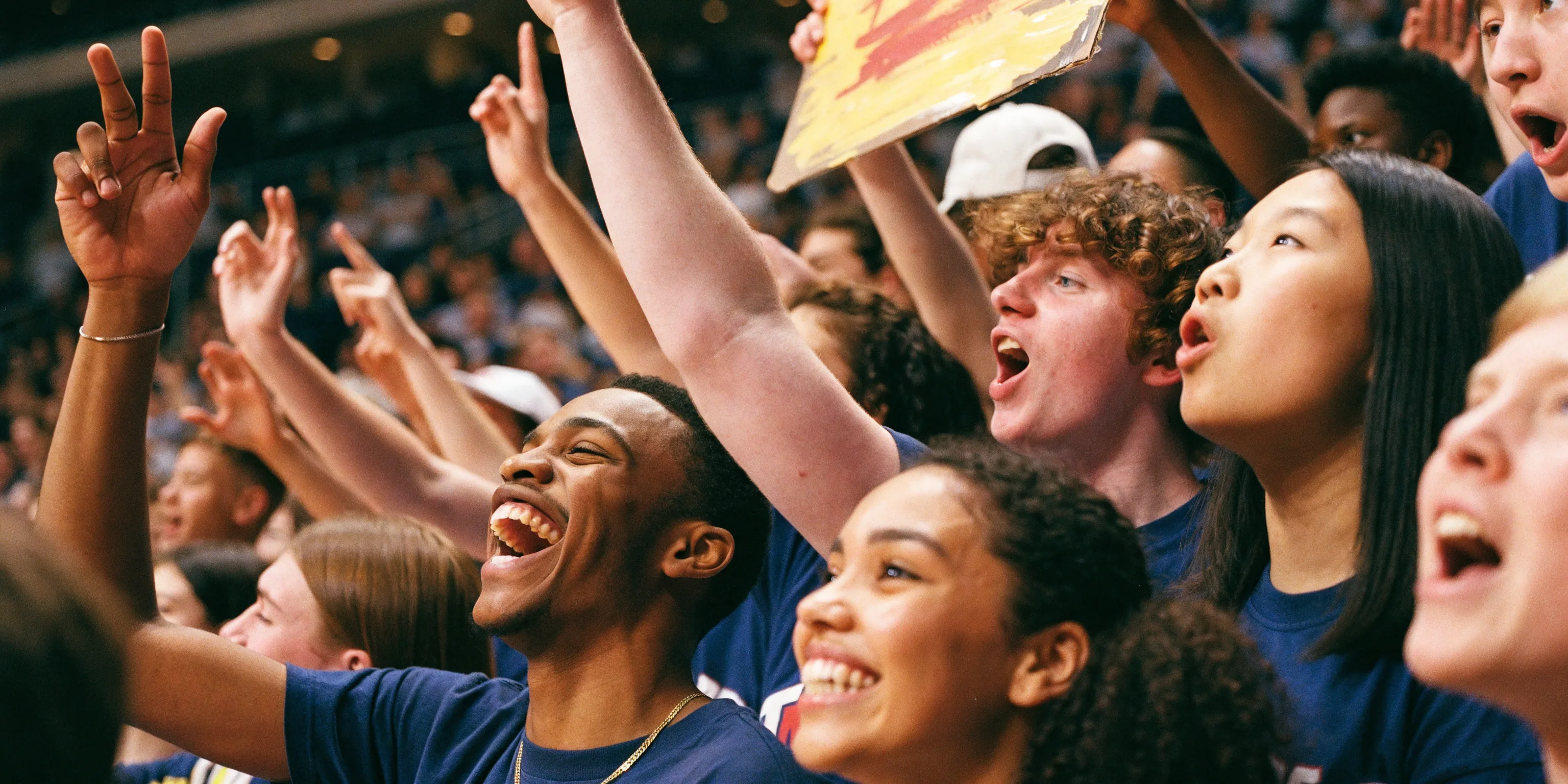
Your season ticket holder in row F owns a car wash.
The woman who argues with the referee every other Saturday runs the café two blocks from the stadium. The guy next to her is a barber. Look around any stand and you'll find restaurant owners, plumbers, shop owners, people with their name painted on a truck.
Clubs chase big sponsors all season. Decks get built, calls go unanswered, and the conversation ends with "we'll get back to you." Meanwhile, hundreds of local business owners are already in the stands, wearing the jersey they paid for.
The game-day economy runs around your club, not through it
On game day, fans are already spending money in those places before kickoff. The wings, the burger, the fresh fade before the rivalry game. It happens every single weekend, and none of it comes back to the club.
Not because anyone did anything wrong. There was never an easy way in. A café owner can't sponsor a stand, and a club can't invoice a barbershop for goodwill. The two sides of the same community had no mechanism connecting them.
That's the gap venue partnerships close. A local business registers on Game Set Engage, partners with your club, and joins your game-day check-in campaigns. Fans who watch there get rewarded for showing up, and the venue adds its own deal: 20% off the tab, a free coffee with the game-day breakfast, whatever fits the counter. The business pays the club a small partnership fee for the foot traffic it can finally prove. Your club earns a revenue share from the partnership, settled monthly.
No 40-page sponsorship deck. No six-month negotiation with a marketing department. You approve the partner from your dashboard, and the jersey they were already wearing starts working both ways.
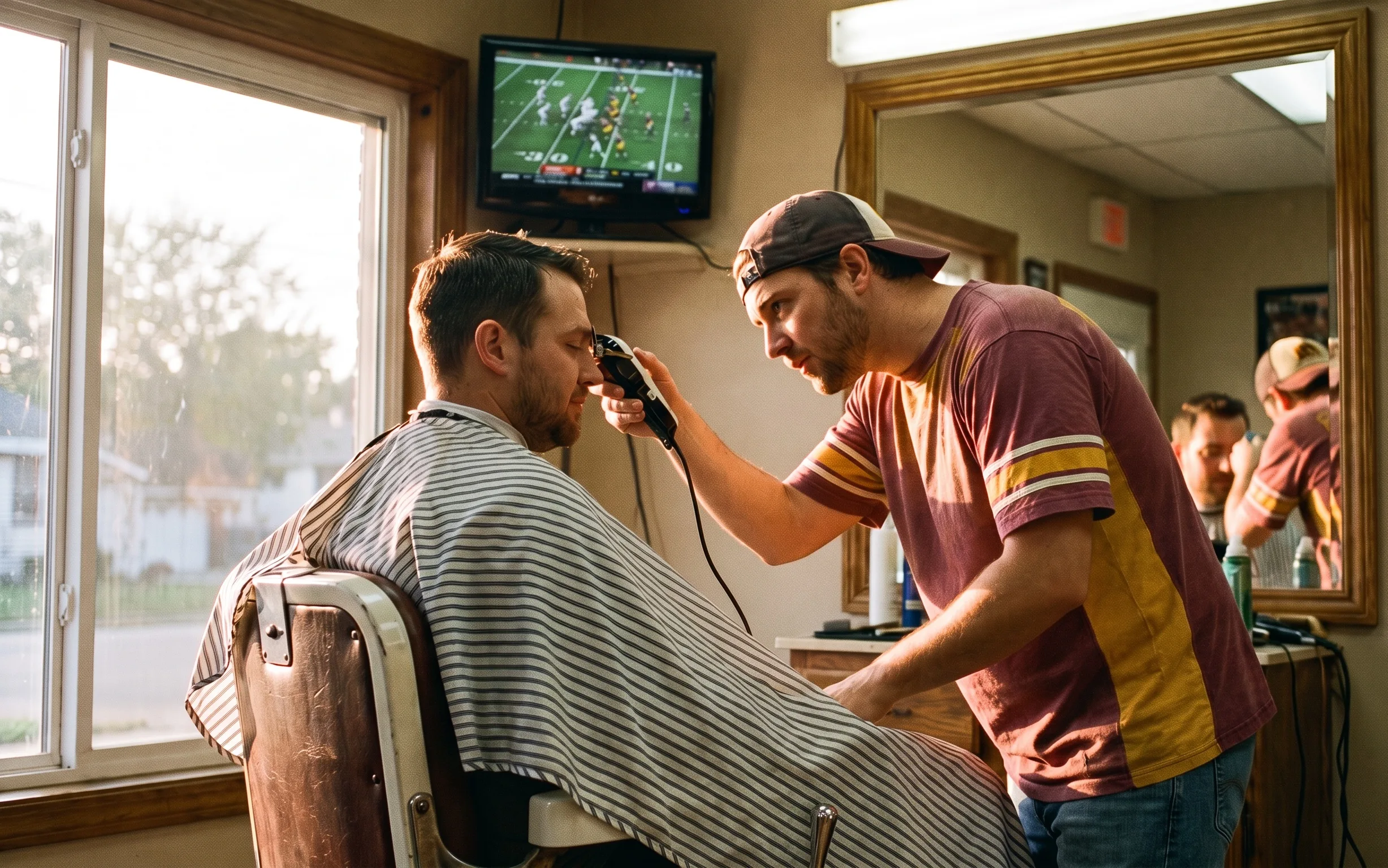
The Tuesday haircut is the part most clubs miss
Game day is the obvious moment. It isn't the biggest one.
Attach points to venue deals and your fans earn them any day the offer runs. The barber's Tuesday discount stops being a coupon and becomes a club moment: the fan claims the deal in the app, the barber confirms it at the chair, and the fan picks up your club's points on top of the discount. You set what a redemption is worth, and every confirmed one bills the venue's fee at the amount you chose.
That single mechanic changes the pitch to the business owner in row F. You're not asking for charity or selling ad space on a hoarding. You're sending them customers who'd rather spend where it counts toward something, and handing them the number their old flyer campaigns never produced: how many club fans actually walked in.
And because there's no distance limit on partners, the same mechanic reaches places you'd never canvass on foot. An alumni bar in another city can join your away-game campaigns the same way the café by the stadium joins your home ones.
Start with three names you already know
You don't need a partnerships department. You need to look at your own stand.
Pick three fans who run businesses your supporters already use. Show them what a partner deal looks like and what they'd get back: provable foot traffic, a counted crowd, a place in the club's game day instead of next to it. Set up your club — free up to 1,000 fans, no credit card — approve your first partner, and run it for one home game.
Your next sponsor is probably already in your stands. Most likely complaining about the left back.